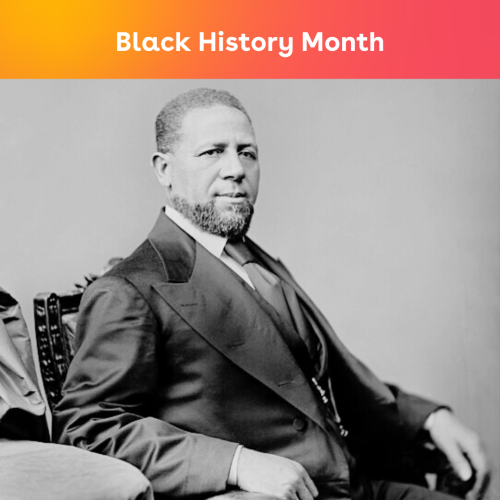
Celebrating Thomas Dorsey


You can’t talk about gospel music without talking about Thomas Dorsey. His influence is woven into every song, every hymn, and every moment of worship in the genre. Born in 1901, Dorsey’s early years were steeped in both the blues and the church, making him one of the first to merge these two distinct genres into the powerful sound we now call gospel music. But his journey was not without hardship.
In the 1920s, Dorsey left his hometown of Georgia to pursue a career as a jazz and blues musician in Chicago. He found success performing with some of the most prominent artists of the time, including the “Mother of the Blues,” Ma Rainey, and other leading musicians in the blues scene. But it was his faith in Jesus that ultimately changed the direction of his life.
In 1932, after experiencing the devastating loss of his wife and newborn son, Dorsey poured his grief into music. It was during this time that he composed “Take My Hand, Precious Lord”, a song that would become a hymn of comfort for millions, and one that would define gospel music for generations.
Thomas Dorsey’s music didn’t just fill church pews; it became anthems of hope, healing, and resilience. His work laid the foundation for modern gospel music, influencing countless artists and bringing the church’s message into the homes of people across the world.
He wasn’t just a composer or musician; he was a pioneer who helped shape the very sound of gospel music as we know it today, blending the rhythms of blues with the life-changing message of Christ’s love.
Thomas Dorsey’s music reminds us that no matter our pain, God can take our brokenness and turn it into something beautiful. His legacy lives on in the songs that continue to bring people
closer to the Lord.
Join us this month, on-air and online, during Black History Month on BRIGHT-FM as we journey through history.
More SHINE Daily