Celebrating Sojourner Truth
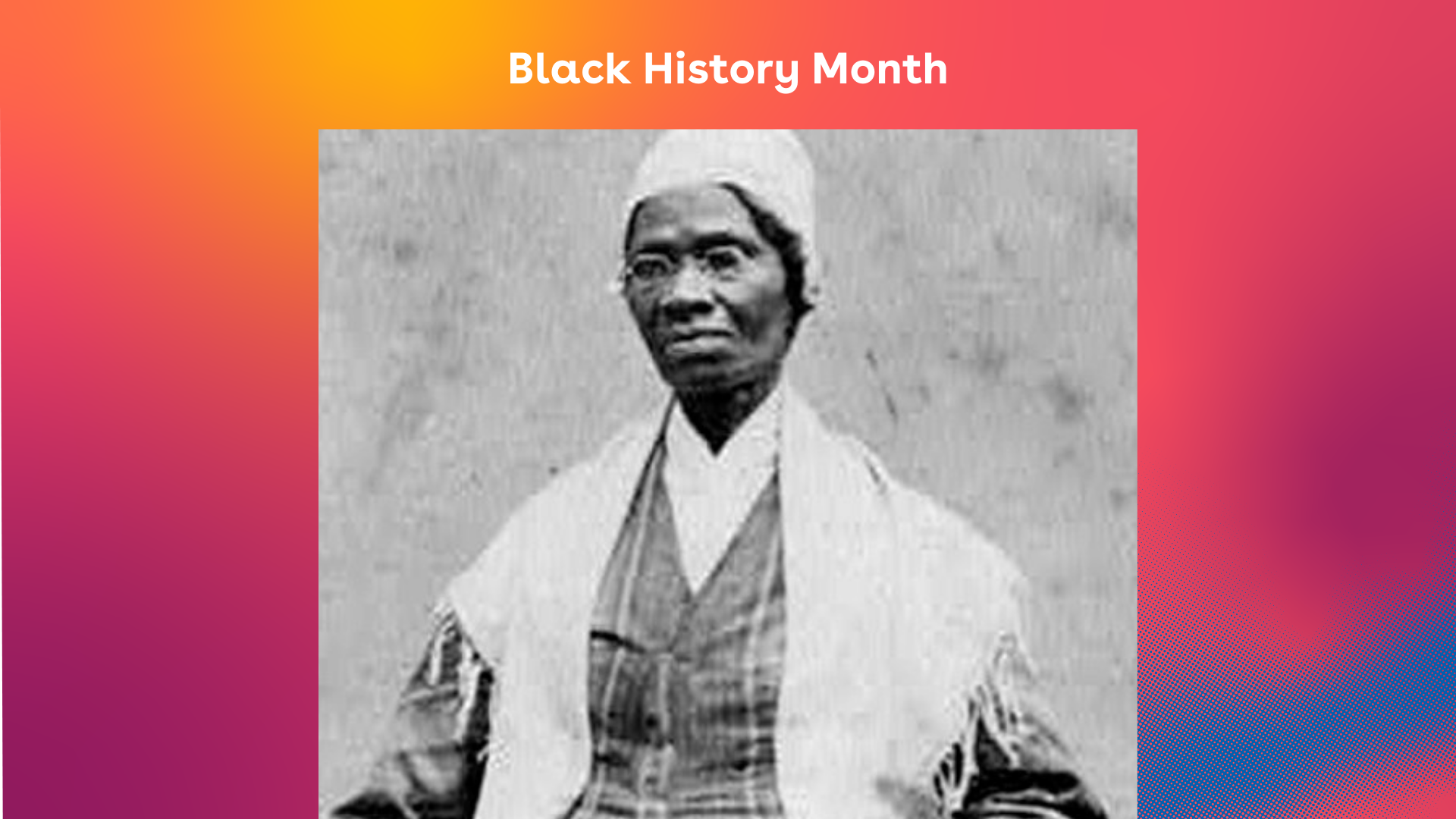

Sojourner Truth was born into slavery around 1797 in New York and given the name Isabella Baumfree. As a child, she was sold multiple times. At just nine years old, she was sold along with a flock of sheep for one hundred dollars, a detail that reflects the realities of slavery in the North at the time.
For years, Baumfree endured harsh treatment from those who enslaved her. In the mid-1820s, she escaped to freedom with her infant daughter, settling with a family who opposed slavery. In 1843, she changed her name to Sojourner Truth, believing she was called to travel and speak publicly about freedom and justice. Her Christian faith shaped much of her public speaking, and
she often addressed audiences in churches as well as abolitionist and women’s rights gatherings.
Sojourner Truth became widely known for her powerful speaking presence. In 1851, she delivered a speech at a women’s rights convention in Akron, Ohio, later remembered as “Ain’t I a Woman?” where she challenged both racial and gender inequality in a public forum.
During the Civil War, Truth supported the Union cause by recruiting Black soldiers and advocating for fair treatment of formerly enslaved people. She later met President Abraham Lincoln at the White House, where she continued to press for opportunities and justice for Black Americans.
Even after the Emancipation Proclamation in 1863, Sojourner Truth continued her advocacy, calling for land ownership and economic opportunity for people who had been freed from slavery. In her later years, she supported efforts to help formerly enslaved families resettle in places like Kansas.
Sojourner Truth died on November 26, 1883. Her life reflects the long journey from enslavement to freedom, and the role one determined voice can play in shaping public conversations about justice in American history.
Join us this month, on-air and online, during Black History Month on BRIGHT-FM as we journey through history.