Celebrating Harriet Tubman
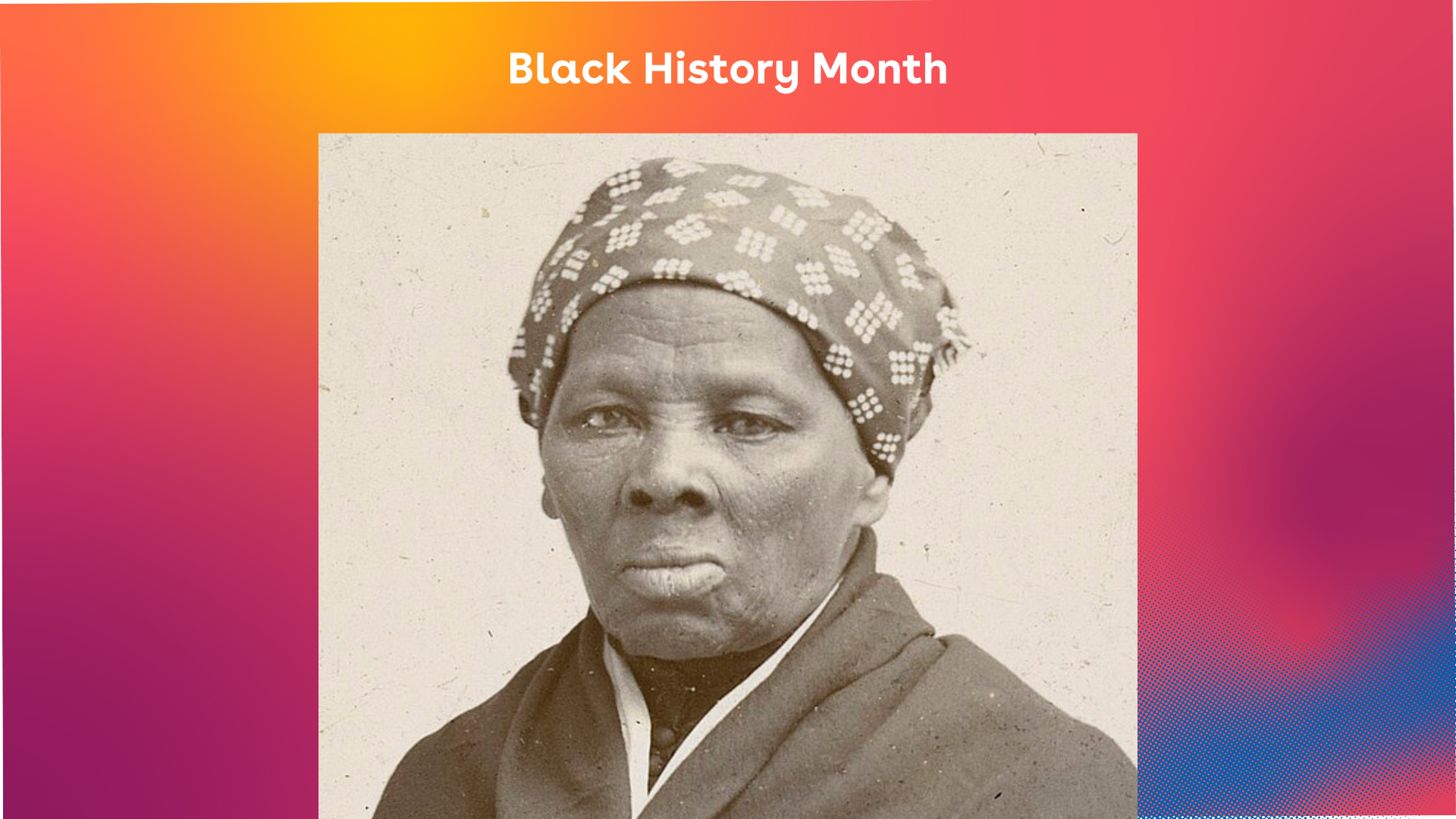

Before Harriet Tubman became known as a hero of the Underground Railroad, she was a young girl enslaved on the Eastern Shore of Maryland.
She grew up in Dorchester County, working in fields and homes along the same waterways that still wind through the state today. As a child, she suffered a traumatic head injury when an overseer threw a heavy weight at another enslaved person and struck her instead. She carried the effects of that injury for the rest of her life: headaches, seizures, moments of sudden weakness.
But Harriet also carried something else: a deep, unshakeable faith in God.
She believed God spoke to her and guided her steps. When she escaped slavery in 1849, she could have stayed hidden and safe. Instead, she went back—again and again—leading family members and strangers to freedom through forests, marshes, and back roads. She once said she trusted God to guide her every step, even when the path ahead was dangerous.
Each journey came with real risk. If she were caught, she faced brutal punishment or death. Yet Harriet returned to Maryland more than a dozen times, helping lead dozens of people to freedom. She believed God had not only freed her but called her to help free others.
She later served as a nurse, scout, and spy for the Union during the Civil War. But even then, she often spoke about her work not as heroism, but as obedience. She is simply doing what God has placed before her.
Harriet Tubman’s story reminds us that faith doesn’t always lead us to safety. Sometimes it leads us back into hard places, for the sake of others. And sometimes the bravest obedience looks like taking one step forward when every instinct says to run the other way.
Join us this month, on-air and online, during Black History Month on BRIGHT-FM as we journey through history.
More SHINE Daily